Skip to content
subsurface void filling banner
Infrastructure Rehabilitation

Subsurface Void Filling & Geotechnical Support Services

Subsurface voids beneath concrete slabs and soil can create dangerous settlement, structural instability, and costly project delays. EFT uses advanced polyurethane injection and grout filling techniques to eliminate underground voids and restore reliable support for floors, pavements, foundations, and infrastructure — all with minimal disruption to ongoing operations and surfaces.

What Is Subsurface Void Filling?

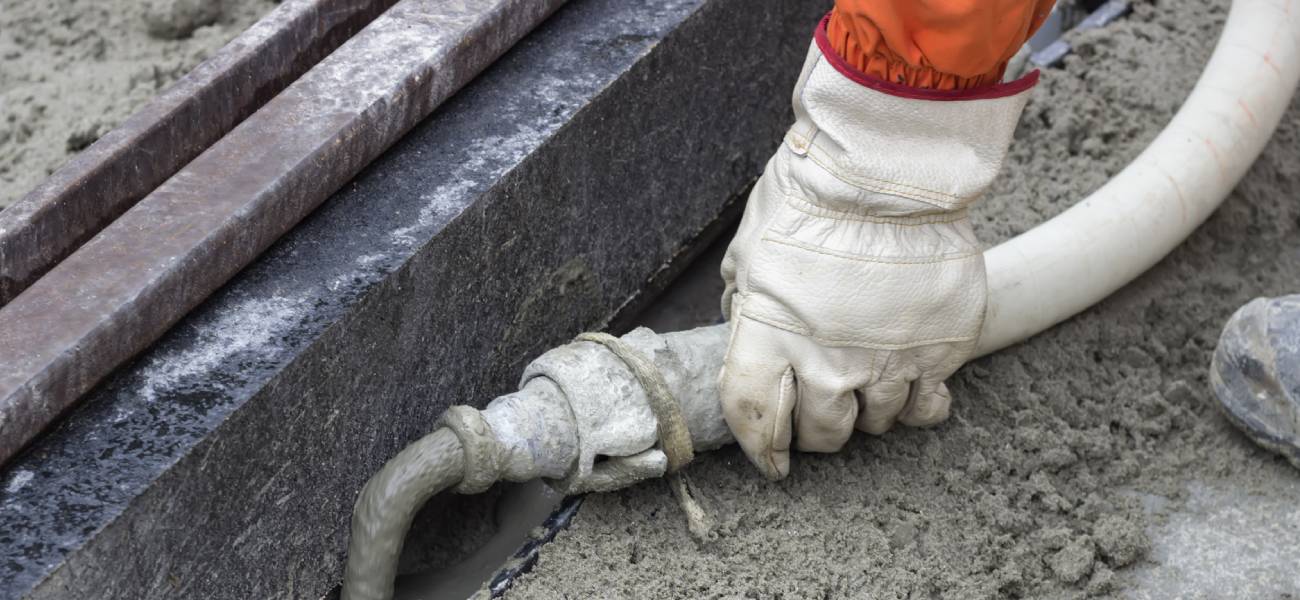
Subsurface void filling is the engineered process of injecting high-performance grouts—such as polyurethane and lightweight cellular grouts—into underground cavities to fill empty space and restore soil support. Voids can form from water erosion, underground leaks, poor soil compaction, or buried utilities, often without warning at the surface. When left untreated, these voids can lead to rapid settlement, structural stress, or safety hazards at construction sites and built environments.

Essential for Structural Stability

Void filling reinforces soil and eliminates unsupported lengths of concrete or earth, protecting slabs, foundations, pavements, and infrastructure from further movement. This trenchless approach avoids the disruption of excavation while delivering long-lasting stability.
Problems Caused by Subsurface Voids

Hidden Voids from Soil Erosion

Water infiltration, groundwater migration, and underground pipe leaks can wash away fine soil particles, creating voids below slabs and structures that aren’t visible at the surface.

Structural Instability and Settlement

Water flow or underground utility leakageUnsupported concrete can settle, crack, or deflect when soil under a slab no longer provides adequate bearing capacity, leading to uneven floors and potential safety risks. can wash away soil fines, causing voids and uneven ground that jeopardize foundations and pavements.

Project Delays and Increased Costs

Discovering a subsurface void during construction can delay schedules and increase costs if not addressed efficiently. Traditional excavation or replacement often involves heavy equipment and long interruptions.

Key Advantages of Professional Void Filling

Complete Void Coverage

Polymer foams expand to fill voids of varying shapes and sizes, displacing water and loose soils to deliver continuous ground support.

Enhanced Structural Integrity

Once cured, injected grout increases soil density and prevents future soil movement and void formation, enhancing long-term stability.

Fast Project Completion

Void filling with polyurethane or lightweight cellular grouts is typically faster than excavation or replacement, reducing on-site disruption and downtime.

Minimal Site Disturbance

The trenchless injection process requires only small access holes, avoiding extensive excavation, landscape damage, and cleanup.