Skip to content
huge crack in sidewalk
Polyurethane Injection Technology

What Is Slabjacking?

Understanding the Concrete Lifting Process

Slabjacking—also known as mudjacking, polyjacking, or pressure grouting—is the process of lifting and stabilizing settled concrete slabs by injecting a specialized grout or polyurethane foam beneath them. This proven technique restores concrete surfaces quickly, cost-effectively, and with minimal disruption to ongoing operations.

What Exactly Is Slabjacking?

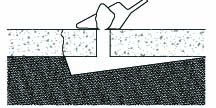
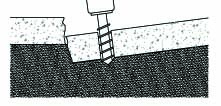
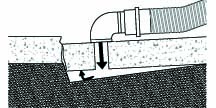
Slabjacking is the process of lifting and stabilizing settled concrete by injecting grout or polyurethane foam beneath the slab. Also known as mudjacking, polyjacking, or pressure grouting, it restores the slab’s level and structural integrity without costly demolition. The process begins by drilling small access holes and pumping material into the voids below—lifting the slab evenly and securely.

A Smarter Alternative to Replacement

Traditional “rip and replace” methods require tearing out slabs and halting operations. Slabjacking provides the same structural correction in hours instead of days—keeping your facility running and costs under control.
Problems Solved by Slabjacking

Concrete Settlement and Voids

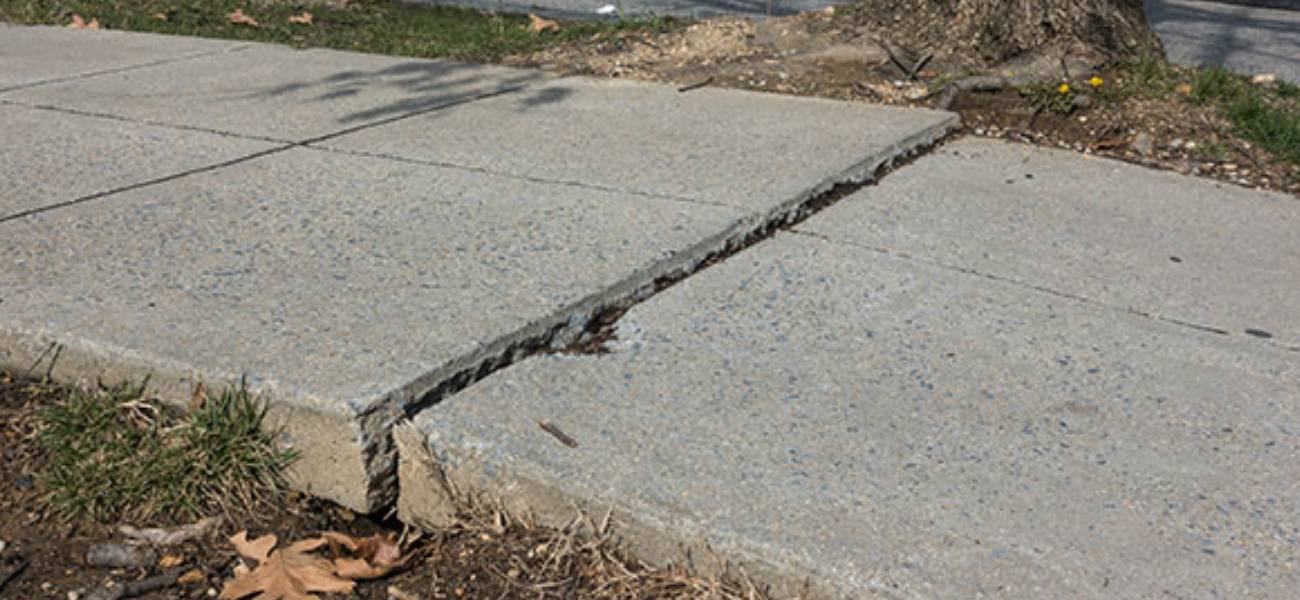
Soil movement, erosion, and poor compaction leave unsupported voids beneath slabs, leading to cracking and uneven surfaces.

Disrupted Business Operations

Replacing concrete can shut down operations for extended periods. Slabjacking allows work to continue with minimal downtime.

High Replacement Costs

Traditional rip-and-replace methods involve heavy demolition, debris removal, and long curing times. Slabjacking minimizes labor and material waste.

Key Advantages of the Slabjacking Process

Precision Lifting Control

Modern polyurethane systems allow precise lift control through multiple injection points, preventing overcorrection or stress on existing slabs.

Fast Curing, Minimal Downtime

Polyurethane expands and hardens within minutes—returning floors, highways, and warehouse slabs to service almost immediately.

Smaller Access Holes, Cleaner Finish

Unlike traditional mudjacking, polyurethane requires holes about the size of a penny, resulting in a neater surface and less visible repair marks.

Ideal for Occupied or Operational Sites

Because it’s quiet, clean, and fast, slabjacking can be performed in active industrial facilities, warehouses, or commercial settings without interruption.